
Integrated Support Now
Integrated Support Now is a mobile support tool designed to help individuals with co-occurring mood and substance use disorders build resilience and practice therapy skills outside of in-person sessions. The experience extends group therapy beyond the clinical setting while preserving the primacy of human care.
Client
McLean Hospital
Opportunity
“3.3 million adults in the US have a co-occurring substance use and depressive disorders.”
– Journal of Psychiatric Research
Accessing mental health and substance use support often requires sustained engagement beyond clinical appointments, yet many tools designed to support this work fail to capture the nuance of recovery.
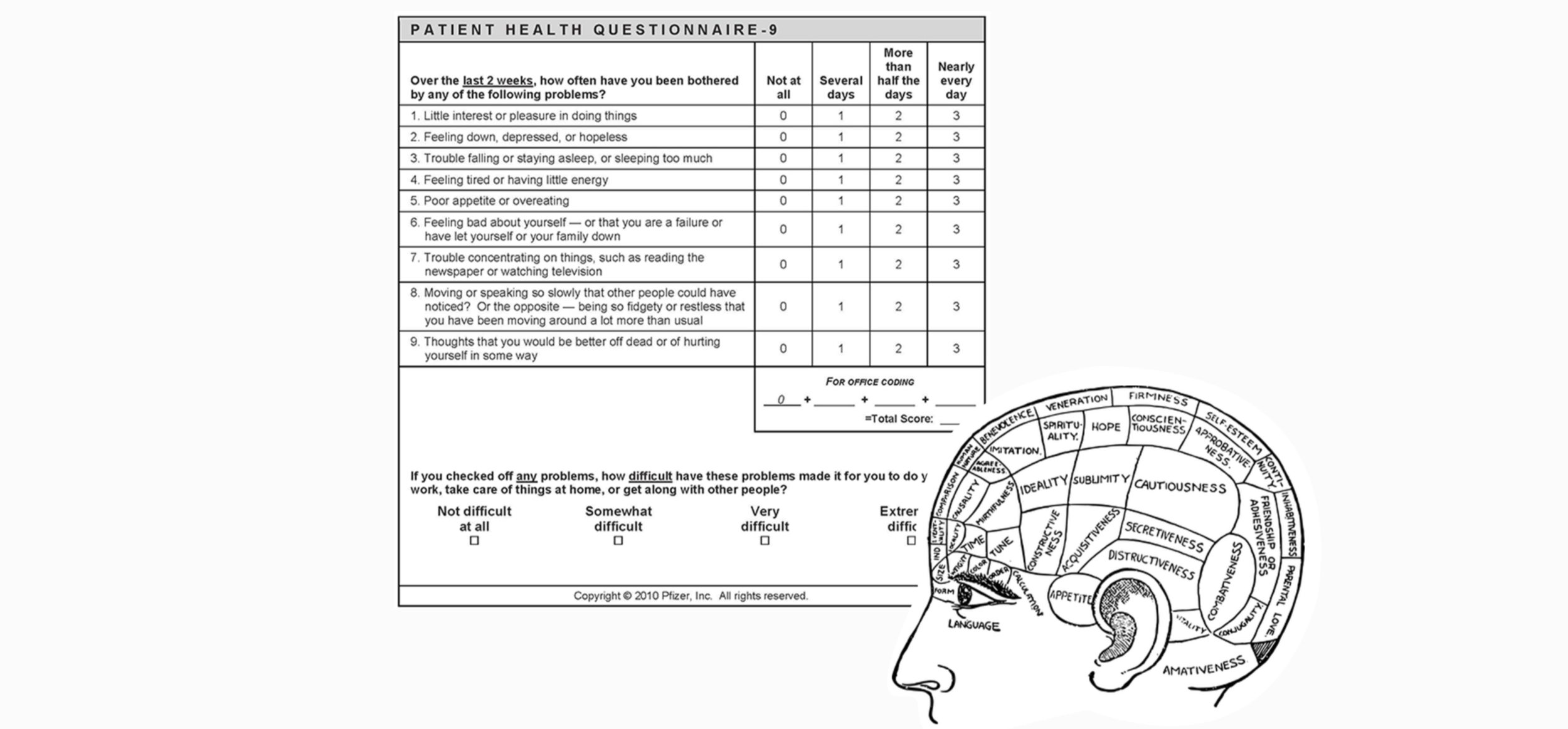
Despite advances in digital health, commonly used tools tend to focus on symptom tracking or self-assessment, offering limited guidance and little connection to therapeutic practice. Standardized assessments, while clinically useful, often feel impersonal and disconnected from the day-to-day challenges individuals face between sessions.
At McLean Hospital, clinicians identified an opportunity to support individuals enrolled in in-person group therapy programs by extending care through a mobile experience—one that reinforced therapeutic skills, encouraged reflection, and complemented existing treatment rather than attempting to replace it.
The challenge was not to digitize therapy, but to design a supportive companion that respected clinical rigor, emotional vulnerability, and the realities of recovery outside the clinic.
-
The UX team of UX designers and UX strategists interviewed with five mental health clinicians and patients of various therapy programs. After collecting data and jottings from observations, the team huddled to find key themes around patient needs:
“They say play the tape through, but for some reason, it’s really hard to do that sometime, to talk yourself off the edge there, cause maybe it’s ADHD, but I will go from nothing to… like really quickly, even when… I’ll be out there and nothing is really happening and I’ve had a hard time staying sober. I’m going to a meeting and all of a sudden, I go to the liquor store…”
- Patient“…follow-ups (after discharge) are conducted by email, so it’s the Redcap type survey, that they complete, it’s brief. It’s not nearly as extensive as what we do on admission and discharge, it’s self-report. There are questions about their substance use and questions about anxiety and depression, so their mood, their level of anxiety and then there’s a comment section, where they go and talk about what elements of treatment were more successful or helpful to them”
-Clinician“…I’m just empowered with more, I mean understandable, it’s an education and it comes naturally because I’ve come into the CBT and ACT, acceptance of commitment therapy…”
- Patient
Goals
Support continued engagement with therapy skills outside of group sessions
Provide gentle structure without creating pressure or dependency
Design an experience that feels supportive, not evaluative or clinical
These goals helped ensure the app complemented treatment rather than competing with it.
-
We established the following principles as our north star to frame design decisions:
Engagement through storytelling
For a user to naturally engage with novelty app features for about 10 minutes, weaving a narrative that is accessible and resonant is crucial. The narrative emphasizes how Alex feels in addition to what Alex does, through words and imagery. This is key to our design principle of ‘Show, Don’t Tell’, to create an immersive story for users to care about, and learn from.Inclusivity through gender-neutrality
As mentioned above, it is essential for Alex’s story to resonant, applicable and accessible to all users. Gender-neutral language and imagery stays true to this principle as well as the story flow suggested by the McLean team.
Solution
Integrated Support Now was designed as a lightweight, reflective companion to in-person group therapy.
The experience focuses on routine check-ins, guided reflection, and opportunities to practice therapy skills introduced during sessions. Narrative elements and visual language were used intentionally to foster engagement over short, manageable interactions—encouraging users to return without feeling overwhelmed.
Rather than prioritizing metrics or assessments, the design emphasizes presence, reassurance, and continuity, allowing individuals to engage at their own pace while reinforcing therapeutic intent.
Features
After a few rounds of workshops with the McLean team, the UX team designed four main features:
Secure onboarding
Routine check-ins
Practicing Fast Forward, an IGT skill created by the McLean team via illustrative story
Additional educational resources
Outcomes
The app concept was well received by both clinicians and patients, who confirmed that the experience felt appropriate, supportive, and aligned with early stages of treatment. The designs were later used by clinicians as part of funding efforts to support further development, helping translate a clinical need into a tangible, testable product direction.
Beneath all the wizardry of modern medicine, it's all about people.
Aldo Doerner Rinaldi | MD Medical Director, Mount Auburn Hospital
CREDITS
Office: Partners HealthCare Pivot Labs
(previously Partners Connected Health)
TEAM
Medical Lead: Roger Weiss, MD
Design Lead & : Tasmia Noor
Illustrators: Tasmia Noor, Scott Newland
Tech Lead: Persistent Systems
Researcher: Sunetra Bane